Common Causes of Concrete Foundation Damage
Homeowners seeking foundation damage repair can rely on local contractors who understand common causes like soil shifting and moisture issues to effectively address and fix foundation problems.
Understanding the common causes of concrete foundation damage is essential for property owners who want to protect their investment and maintain the integrity of their homes. Issues such as soil movement, poor drainage, and temperature fluctuations can all contribute to cracks, settling, or other structural concerns. Recognizing these factors early can help prevent more extensive and costly repairs down the line. Local contractors experienced in foundation repair are well-versed in these typical causes and can provide insights into how they might affect specific properties, offering practical solutions tailored to the unique conditions of the area.
For those exploring foundation damage repair, knowing what often leads to foundation issues can guide more informed decisions about maintenance and repairs. Soil shifts caused by moisture changes, inadequate drainage around the property, or natural settling over time are common culprits that local service providers frequently address. Connecting with these specialists can help identify the root causes of damage and develop effective strategies to restore stability. Keep reading to learn more about these common issues and how local experts can assist in safeguarding your property’s foundation.
- Foundation cracking - homeowners noticing cracks in their concrete foundation may need repair services, which local contractors approach by assessing the severity and implementing appropriate stabilization methods.
- Uneven settling - when a foundation begins to settle unevenly, local service providers evaluate soil conditions and use underpinning or lifting techniques to restore stability.
- Water damage - signs of water intrusion or erosion around a foundation prompt local pros to identify drainage issues and perform waterproofing or repair work.
- Soil expansion and contraction - changes in soil moisture levels can cause foundation movement, leading local experts to perform soil stabilization or foundation reinforcement.
- Poor construction or materials - foundations affected by substandard building practices or materials are addressed by local contractors through targeted repairs and reinforcement strategies.
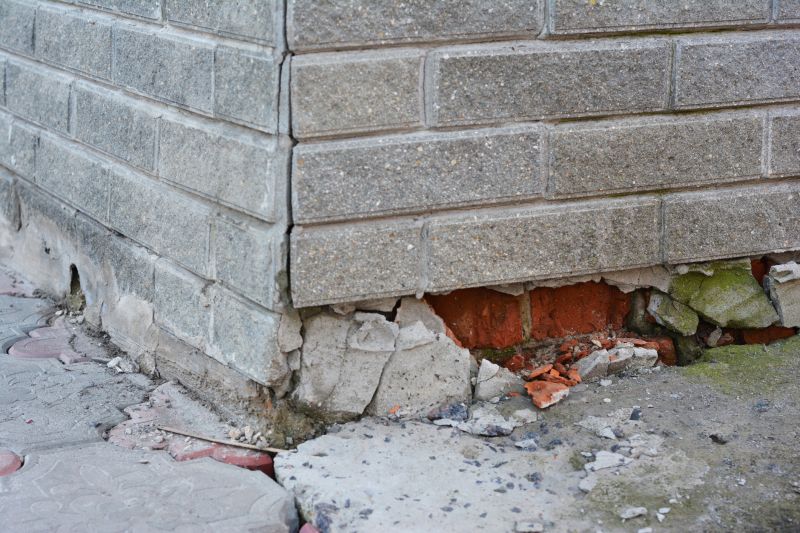
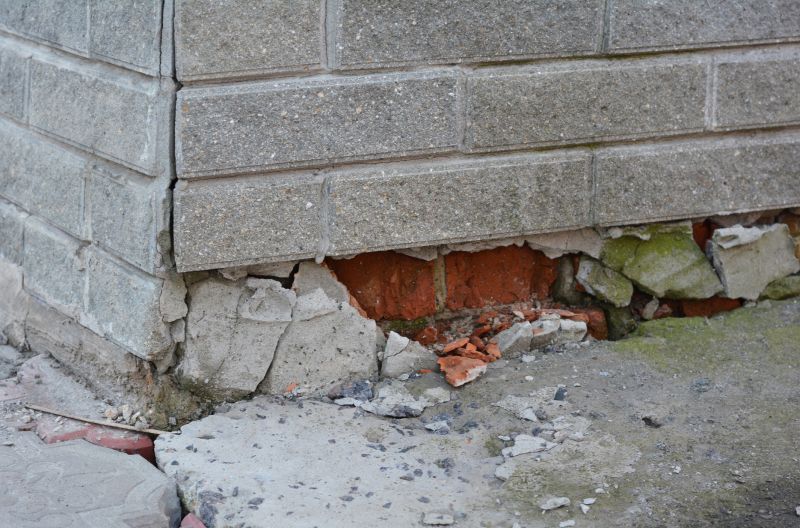
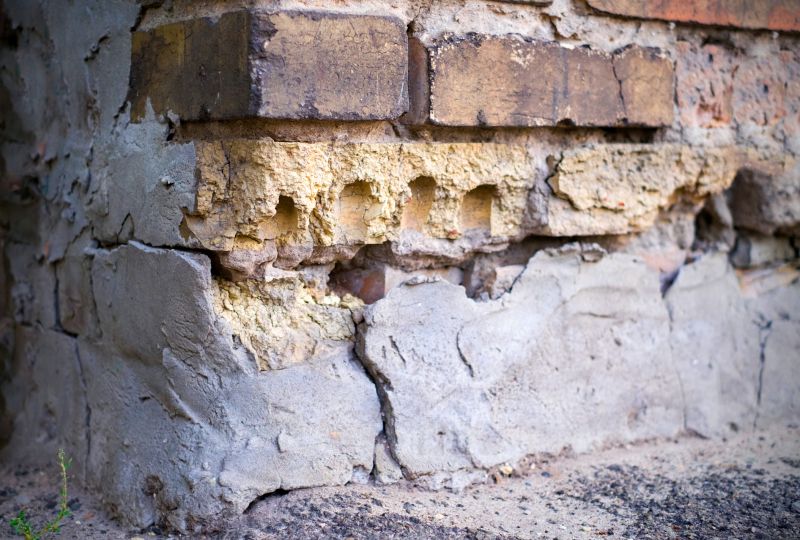
Understanding the common causes of concrete foundation damage is essential for homeowners who notice signs of shifting, cracking, or settling in their property. When searching this topic, many are looking to identify the underlying reasons behind foundation issues to determine whether repairs are needed and how to prevent future problems. These causes often relate to issues such as soil instability, moisture fluctuations, and poor construction practices, which can compromise the integrity of a foundation over time. Recognizing the root causes can help homeowners prioritize repairs and work with local contractors who specialize in foundation repair, ensuring the property remains safe and structurally sound.
Concrete foundation damage frequently occurs due to soil-related factors. One of the most common is soil movement caused by expansive clay soils, which swell when wet and shrink during dry periods. This constant expansion and contraction exert pressure on the foundation, leading to cracks and uneven settling. Poor drainage around the property can also cause water to accumulate near the foundation, increasing soil moisture and promoting shifting. Local service providers often address these issues through soil stabilization, waterproofing, and foundation underpinning, helping to restore stability and prevent further damage.
Another significant cause of foundation damage involves moisture-related problems, such as plumbing leaks or improper grading that directs water toward the foundation. Excess moisture can weaken the soil supporting the concrete, leading to settlement or shifting. Conversely, drought conditions can cause soil to shrink away from the foundation, creating gaps and instability. Homeowners should be aware of how water management around their property affects foundation health. Local foundation repair professionals frequently evaluate drainage systems and moisture levels to recommend solutions like drainage improvements or moisture barriers, which help mitigate these common causes of damage.
Construction-related issues can also contribute to foundation problems. Inadequate site preparation, poor quality concrete, or improper footing installation can make a foundation more vulnerable to damage over time. These problems may not be immediately apparent but can manifest as cracks or uneven settling later on. Properties built on poorly prepared or unstable soils are particularly susceptible. Local contractors experienced in foundation repair can assess these underlying construction issues and perform necessary repairs or reinforcements. Understanding how construction practices relate to foundation health helps homeowners appreciate the importance of working with qualified service providers to address existing damage and prevent future issues.
Foundation Waterproofing Projects - These projects involve applying waterproofing techniques that require understanding soil conditions and drainage, skills relevant to addressing common causes of concrete foundation damage.
Drainage System Installations - Proper drainage is essential to prevent water accumulation that can lead to foundation issues, making this a related service provided by local contractors.
Soil Stabilization Services - Stabilizing soil to prevent shifting or settling is closely connected to preventing foundation movement caused by soil-related issues.
Concrete Leveling and Slab Repair - Leveling uneven slabs involves similar planning and tools used in foundation repair, addressing settlement and cracking problems.
Retaining Wall Construction - Building retaining walls requires knowledge of soil pressure and drainage, which are factors impacting foundation stability.
Grading and Excavation Services - Proper grading and excavation help manage water flow around foundations, directly affecting common causes of foundation damage.
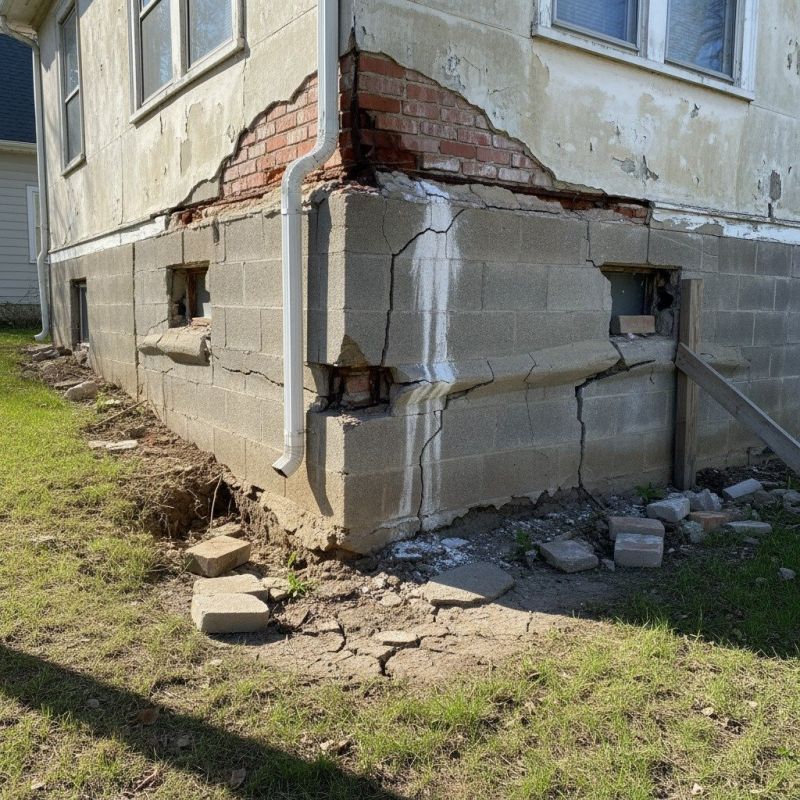
When evaluating service providers for foundation damage repair, it is important to consider their experience with similar projects. Homeowners should look for local contractors who have a proven track record of addressing common causes of concrete foundation damage, such as soil movement, poor drainage, or improper construction. Experienced professionals are more likely to understand the specific challenges posed by these issues and recommend effective solutions based on past work with similar situations.
Clear, written expectations form a crucial part of selecting a reliable foundation repair service. Homeowners should seek providers who can provide detailed descriptions of the scope of work, materials to be used, and the estimated process involved. Having these expectations documented helps prevent misunderstandings and ensures everyone is aligned on what the repair entails. It also allows homeowners to compare different service providers more effectively, based on the clarity and thoroughness of their proposals.
Reputable references and strong communication are key indicators of trustworthy local contractors. Homeowners can ask for references from previous clients who experienced similar foundation issues to gauge the quality of work and customer satisfaction. Additionally, service providers who are transparent and responsive in their communication tend to be more reliable, providing timely updates and answering questions throughout the repair process. This level of professionalism can make a significant difference in navigating the complexities of foundation repair and ensuring the project proceeds smoothly.
Property owners often search for common causes of concrete foundation damage when they are planning practical projects around their homes and businesses. Local pros provide Foundation Damage Repair services for everyday jobs and straightforward project options.
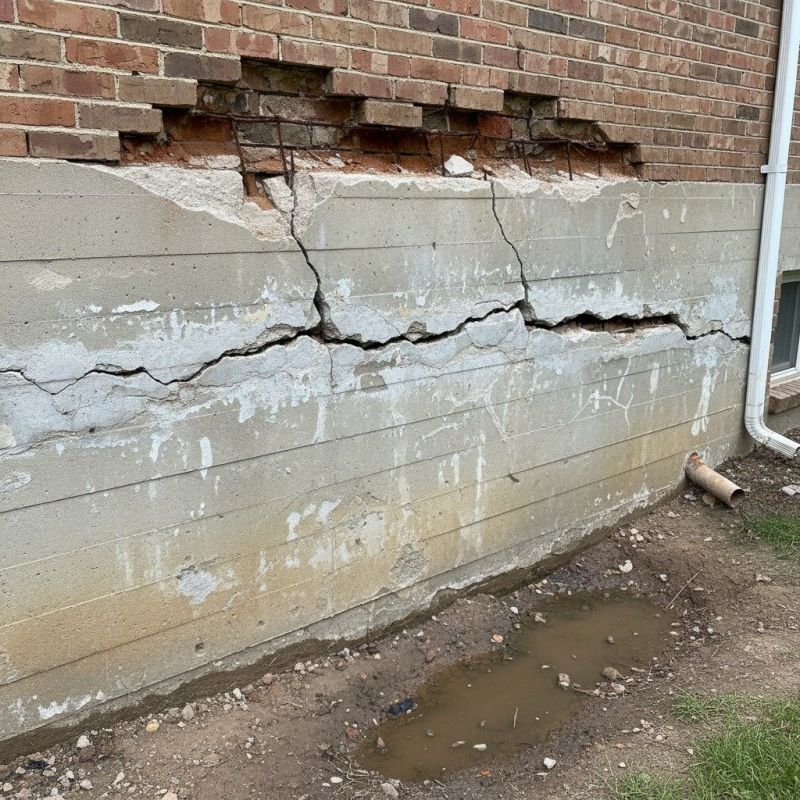
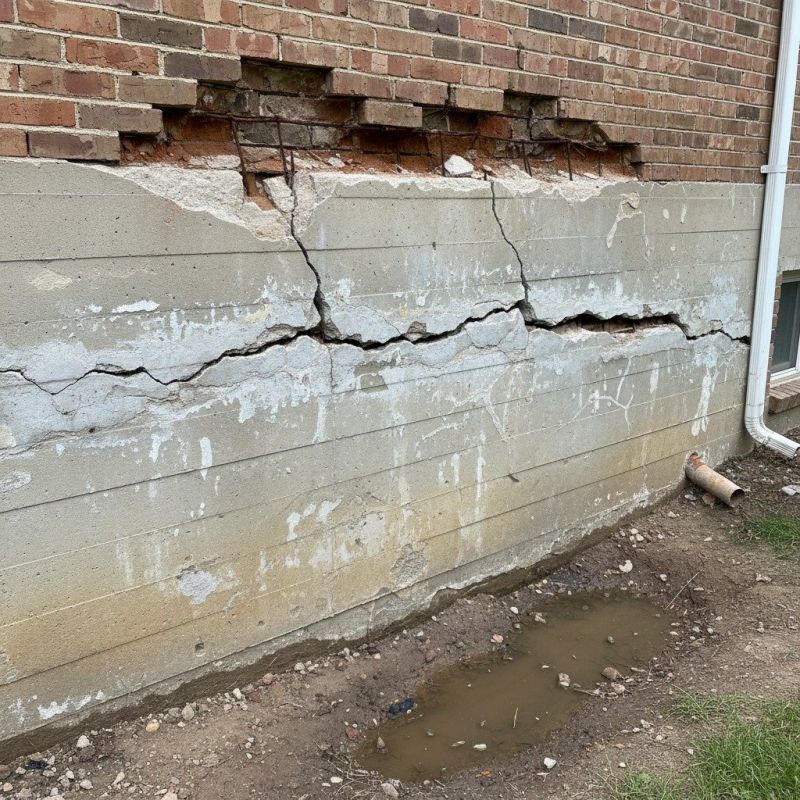
Understanding the common causes of concrete foundation damage can help property owners identify potential issues early on. In many cases, foundation problems stem from natural ground shifts, such as soil expansion and contraction due to moisture changes. Heavy rainfall or drought conditions can cause the soil beneath a property to swell or shrink, leading to cracks or settling in the foundation. Additionally, improper drainage around the property, like clogged gutters or inadequate grading, can allow water to accumulate near the foundation, increasing the risk of damage over time.
Many property owners in the area look into foundation damage repair services after noticing signs like uneven floors, cracked walls, or sticking doors. These issues often result from the underlying causes mentioned above, making it important to work with local contractors experienced in diagnosing and addressing such problems. Professional service providers can evaluate the specific conditions affecting a property and recommend appropriate repair solutions to help stabilize the foundation and prevent further damage.
What are common causes of concrete foundation damage? Common causes include soil movement, water infiltration, poor drainage, and tree root intrusion, which can all compromise the stability of a foundation.
How does soil movement lead to foundation damage? Soil can expand or contract due to moisture changes, causing shifting or cracking in the concrete foundation that may require repair from local contractors.
Can water issues cause foundation problems? Yes, poor drainage or excess moisture can weaken the soil supporting the foundation, leading to settling, cracking, or shifting that local service providers can address.
What role do tree roots play in damaging foundations? Tree roots can grow beneath or around a foundation, exerting pressure that causes cracks or uplift, which can be repaired by experienced local contractors.
How can improper construction contribute to foundation damage? Inadequate compaction, poor-quality materials, or design flaws during construction can lead to vulnerabilities that result in damage, requiring professional repair services.
Soil settlement and shifting - Property owners can monitor signs of uneven floors or cracks and consult local contractors to address underlying soil movement before foundation issues worsen.
Tree roots near the foundation - Removing or managing nearby trees and roots can reduce pressure on the foundation, and local pros can assist with root barrier installation or landscaping adjustments.
Frost heave and temperature changes - Property owners can work with local contractors to evaluate and reinforce foundations vulnerable to frost-related movement, especially in colder climates.
If you are thinking about common causes of concrete foundation damage for a property, this guide is meant to help you understand this topic, the typical project types, and how different options might fit your plans.
When you are ready, you can use the quote form on this page to share a few details about your project. From there, local pros can review the basics and follow up with options that match what you have in mind.